Money & Costs in Egypt
Currency
The currency is the Egyptian Pound (EGP / ج.م.), divided into 100 piastres. Banknotes circulate in 5, 10, 20, 50, 100 and 200 EGP denominations, plus newer polymer 10 & 20 notes. Older paper versions are still legal tender - you'll see both side by side.
The pound has been volatile - check the live USD → EGP rate on pricedollartoday.com before you exchange or spend. The black-market rate sometimes differs from the official rate, but exchanging outside official channels is illegal and risky.
Banknotes - What You'll See in Your Wallet
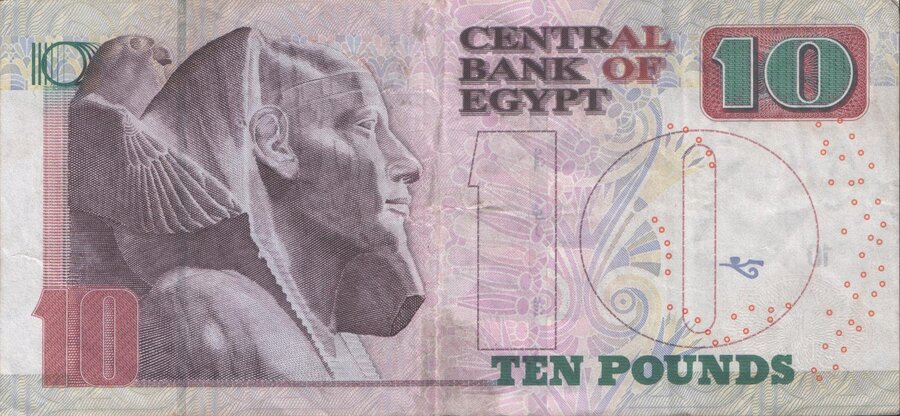
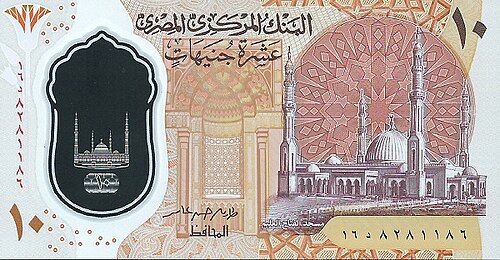
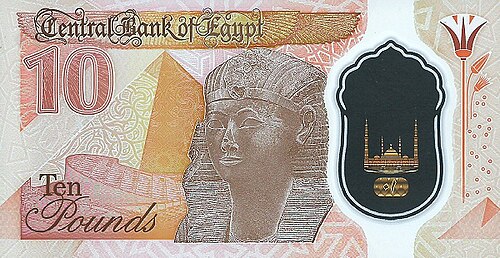
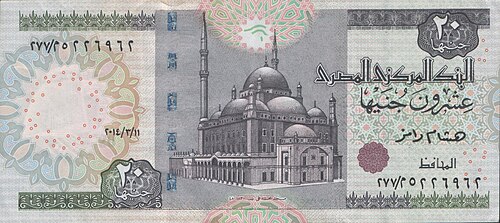
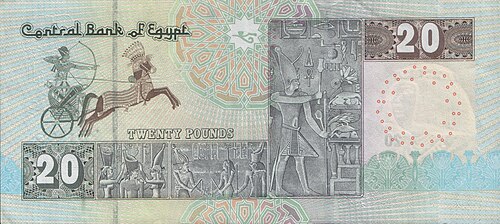
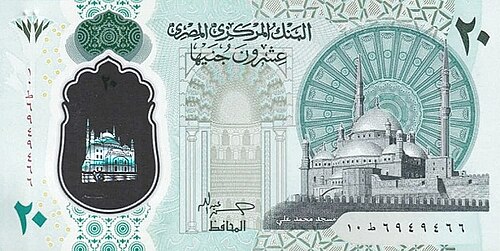
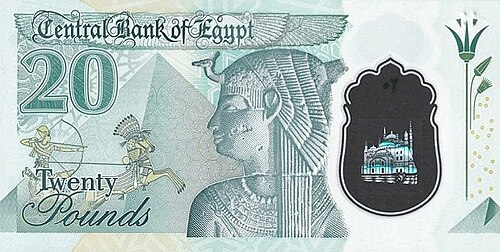
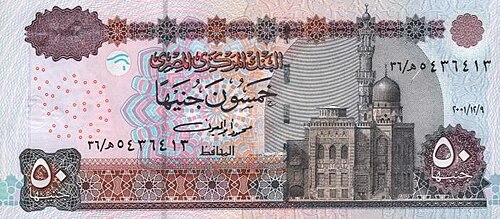
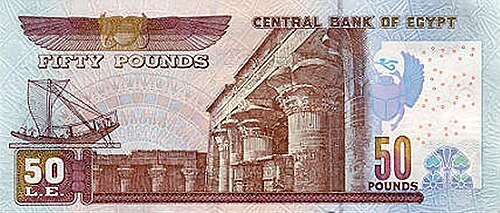
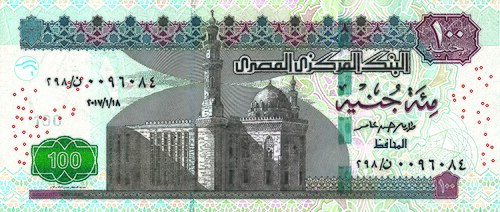
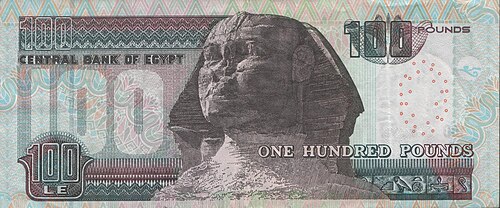
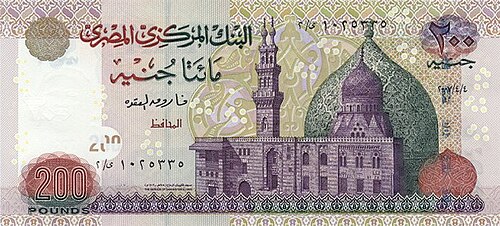
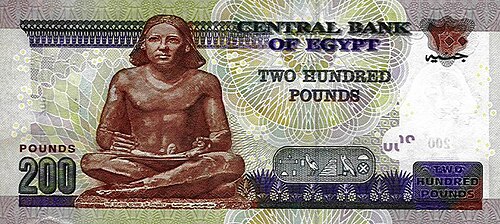
Below are scans of every banknote currently in circulation, including the older paper 10 and 20 EGP that remain legal tender alongside the newer polymer versions. Front (obverse) shows an Egyptian mosque; back (reverse) shows a Pharaonic monument or scene.
Images © Wikimedia Commons contributors - reproduced for educational purposes. Notes may be slightly different in person; designs are unchanged.
5 EGP paper · older
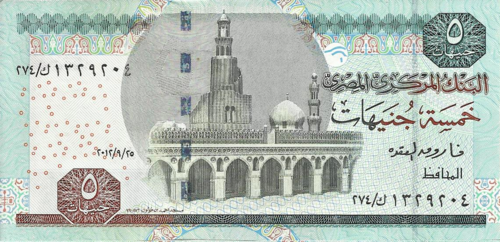
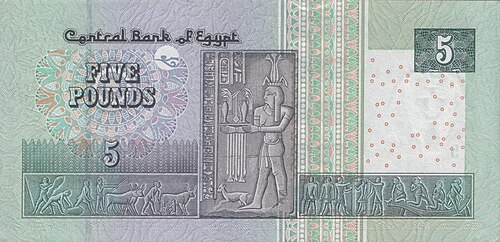
5 EGP paper · new
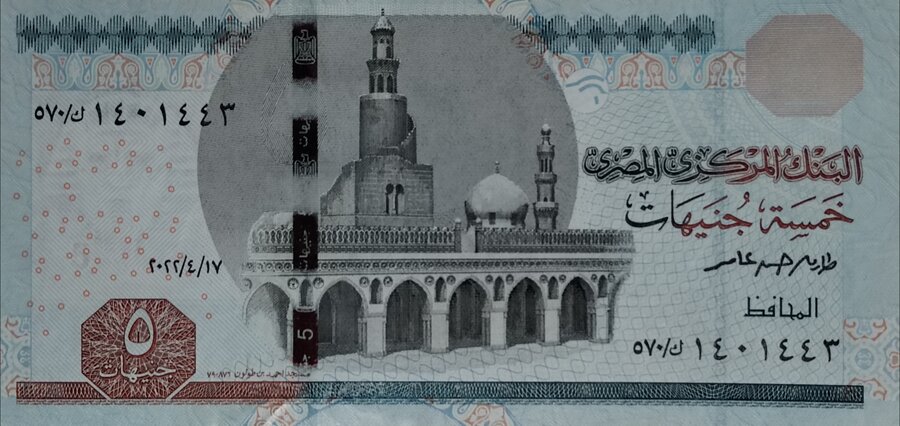
10 EGP paper · older
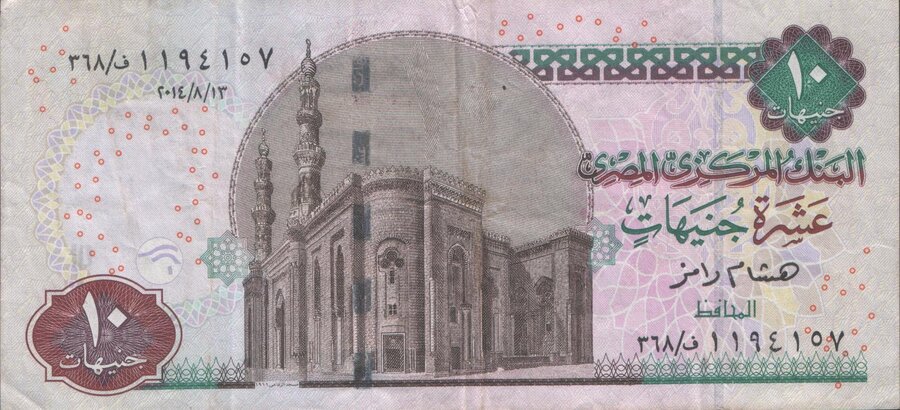
10 EGP polymer · 2022+
20 EGP paper · older
20 EGP polymer · 2023+
50 EGP paper
100 EGP paper
200 EGP paper
Coins
Coins of 25 piastres, 50 piastres and 1 EGP still exist but are increasingly rare; most prices round to the nearest pound. Don't be surprised if change comes as a few small candies instead of coins - common in supermarkets.
1 EGP Coin
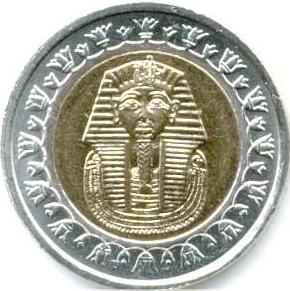
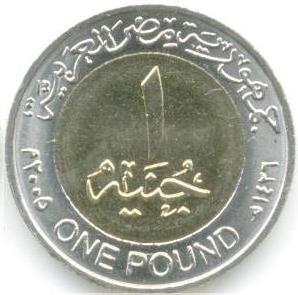
Image: Wikimedia Commons, public domain.
Where to Exchange
- Banks and licensed exchange offices (sarafa) - best rates
- Hotels - convenient but worst rates
- Airport - fine for a small initial amount
Bring USD, EUR or GBP in clean, new-ish bills (post-2013, no tears, no marks).
Cash vs Cards
- Cash is king - especially for taxis, tips, small restaurants, markets, sites
- Cards accepted in hotels, malls, chain restaurants, supermarkets
- Visa & Mastercard widely accepted; Amex rare
- ATMs (banks like CIB, NBE, QNB) work with foreign cards - withdraw 2000–3000 EGP at a time; some charge a small fee
- Apple Pay / Google Pay is starting to spread but not reliable yet
Tipping (Baksheesh)
Tipping is deeply embedded in Egyptian culture - for service, but also as a small thank-you everywhere.
| Situation | Suggested tip |
|---|---|
| Restaurant (if no service charge) | 10% |
| Restaurant (service charge added) | 5% extra cash |
| Taxi (Uber/Careem) | Round up |
| Hotel porter | 20–50 EGP per bag |
| Housekeeping | 30–50 EGP per day |
| Tour guide | $10–20 USD per day |
| Driver | $5–10 USD per day |
| Bathroom attendant | 5–10 EGP |
| Mosque shoe minder | 10–20 EGP |
Haggling
Expected in bazaars (Khan el-Khalili), with taxis without a meter, and at tourist sites with vendors. Not for supermarkets, restaurants or chain stores.
The rules:
- Start at 30–50% of the asking price.
- Stay friendly - it's a social ritual, not a fight.
- Walking away will often produce a better price.
- If you don't intend to buy, don't ask the price.
- Decide what you think it's worth, and pay that - don't worry about "winning".
Typical Costs (rough, in USD equivalent)
| Item | Cost |
|---|---|
| Local meal (koshari) | $2–4 |
| Mid-range restaurant meal | $8–15 |
| Bottle of water | $0.30 |
| Coffee at café | $1–3 |
| Uber across Cairo | $2–6 |
| Pyramids ticket | $14 |
| Egyptian Museum | $10 |
| Valley of the Kings | $14 + extras |
| Nile cruise (3 nights) | $250–600 |
| Mid-range hotel | $40–100 |
| Private driver per day | $50–170 |
| Tourist SIM | $10–25 |
Egypt is very affordable by Western standards - a budget traveler can manage on $40–60/day, a comfortable trip on $100–150/day.