Shali Village (Siwa)
📍 Get there
Coordinates: 29.2031, 25.5197
Shali is the ruined fortress-town that gave Siwa its identity. Founded in 1203 AD as a defensive citadel on a low rocky outcrop in the middle of the oasis, it was built almost entirely from kershef - a local mix of salt, mud and palm-wood that hardens like concrete but melts disastrously when it rains. A series of unusually heavy storms in 1926 ruined the upper floors; most of the Siwans relocated to single-storey houses around the foot of the rock and Shali was abandoned.
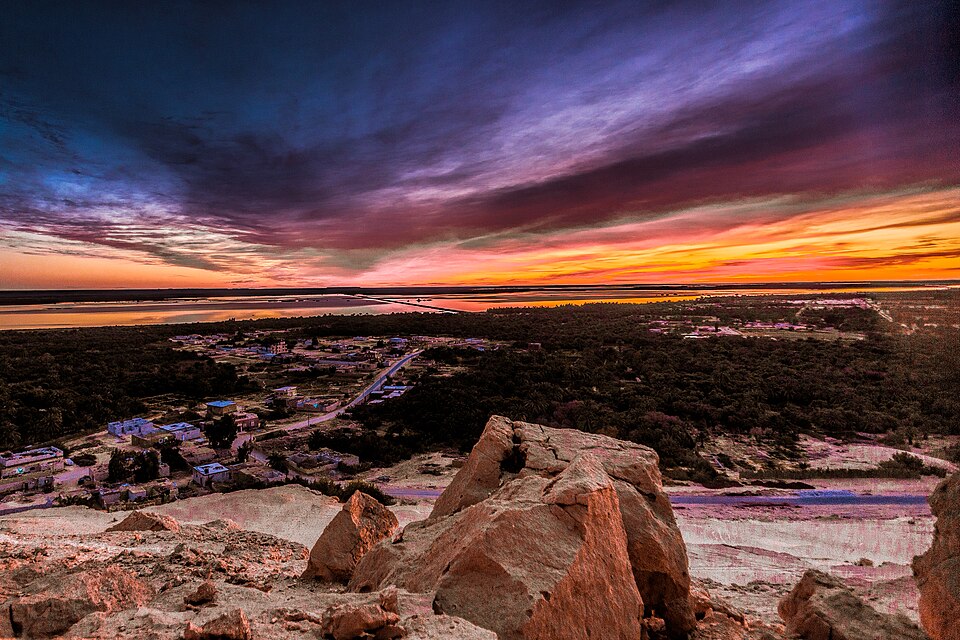
What remains is one of the most photogenic ruins in Egypt: pale-gold walls and arched windows rising out of the palm groves, lit at sunset like a sandcastle. Recent UNESCO-funded restoration has stabilised parts of the fortress, reopened the historic Mosque of Sidi Sulayman at its summit, and created a walking route up through what was once the Berber-speaking old town.
Siwa itself sits on the edge of the Great Sand Sea, with palm groves, salt lakes and hot springs all around - and the Oracle Temple of Amun (where Alexander the Great was declared a god in 331 BC) is a 20-minute walk away.
Highlights
- Sunset walk to the top of Shali
- Mosque of Sidi Sulayman - restored historic mosque
- Local kershef architecture across the old town
- 20 minutes' walk to the Oracle Temple of Amun
Visiting
- Opening hours: any daylight hour
- Tickets: free; tip the caretaker at the summit mosque
- Best time: golden hour
- Nearby: Oracle Temple, Cleopatra's Spring, Fatnas Island, Mountain of the Dead, Great Sand Sea