Valley of the Queens
📍 Get there
Coordinates: 25.7275, 32.5931
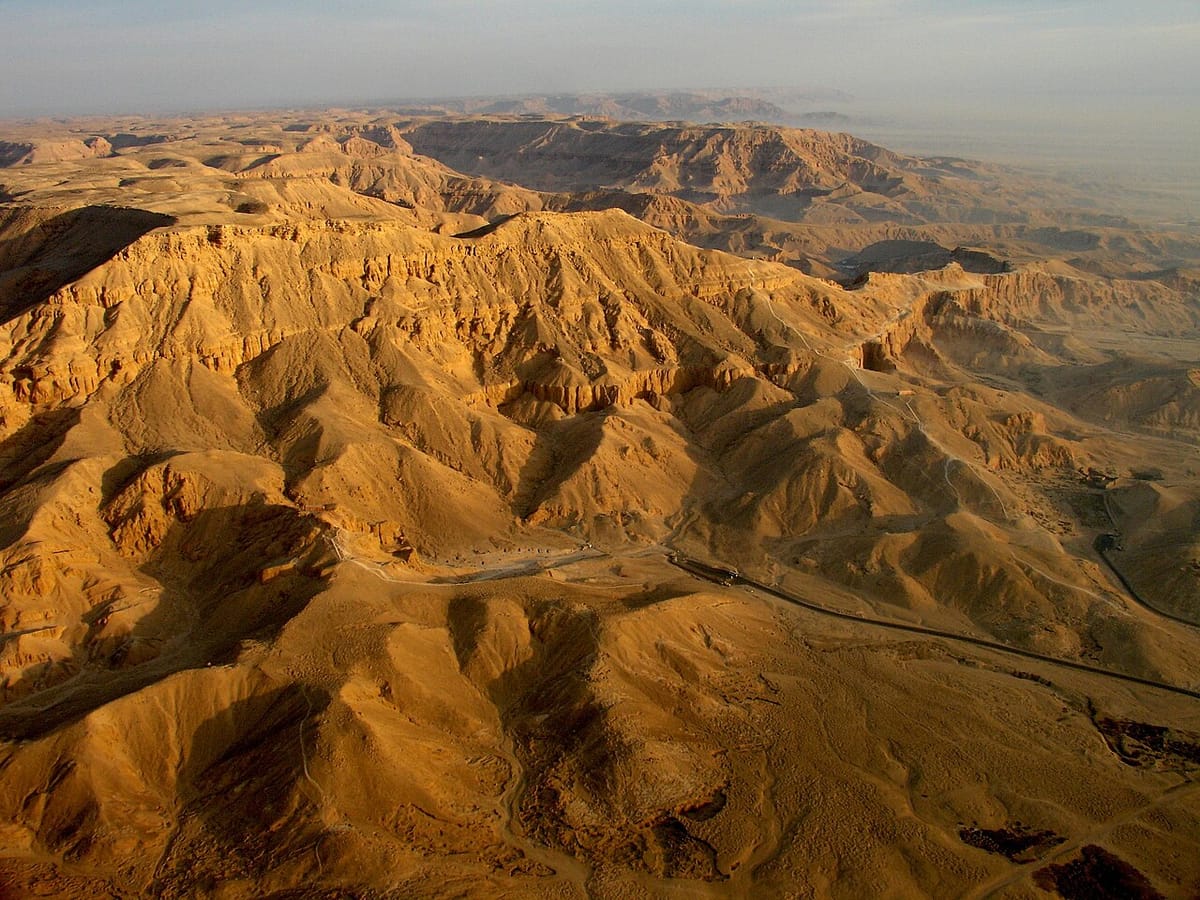
The ancient Egyptians called it Ta-Set-Neferu, "the place of beauty". In this quiet desert wadi, south of the Valley of the Kings, the royal families of the 19th and 20th Dynasties buried their queens, princes and princesses. More than 90 tombs are known, though only a few are open at any time.
The star is the tomb of Nefertari (QV66), the favourite wife of Ramses II. Its walls show the queen being led through the afterlife by the gods, painted in colours so bright they look new. Many visitors call it the most beautiful tomb in Egypt. Visits are limited in time and need their own ticket, but they are worth it.
The other open tombs are smaller and much quieter. The tombs of two young sons of Ramses III - Amunherkhepeshef (QV55) and Khaemwaset (QV44) - show the princes being presented to the gods by their father, in excellent colour.
Highlights
| Tomb | Why visit |
|---|---|
| QV66 Nefertari | The finest painted tomb in Egypt - separate ticket |
| QV55 Amunherkhepeshef | Vivid scenes of Ramses III with his young son |
| QV44 Khaemwaset | Another son of Ramses III, well-preserved colours |
| QV52 Titi | A 20th Dynasty queen; often on the open rotation |
Visiting
- Opening hours: usually 6 am – 5 pm
- Tickets: general ticket covers the open tombs; buy the Nefertari ticket at the same office (the number of visitors is limited)
- Time needed: 1–1.5 hours
- Photography: phone photos are usually allowed with the ticket; no flash
- Nearby: Colossi of Memnon, Medinet Habu, Deir el-Medina, Valley of the Kings