Temples of Wadi al-Sebua
📍 Get there
Tap to load map
Coordinates: 22.7506, 32.5408
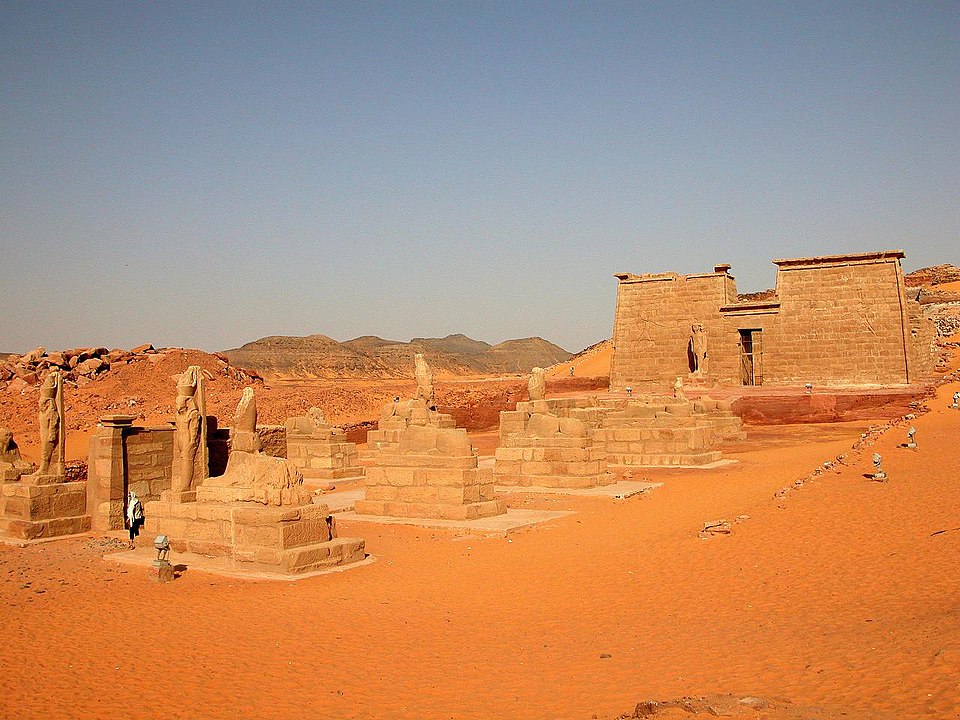
Wadi al-Sebua means "Valley of the Lions", a nickname earned by the double avenue of sphinxes that lines the approach to its main temple. The site actually holds three relocated Nubian temples clustered together on the lake shore after their original spots were drowned by the High Dam:
- The Temple of Ramses II - built c. 1240 BC, partly rock-cut, fronted by ten sphinxes (some falcon-headed, some lion-bodied) and decorated with reliefs that were later partly converted into Christian frescoes in the 6th century
- The Temple of Dakka - built by the Meroitic king Arkamani in the 3rd c. BC and expanded under the Ptolemies and Romans, dedicated to Thoth
- The Temple of Maharraqa - a small unfinished Roman-period temple with the only spiral staircase in any Egyptian temple
The trio is normally visited from one of the small Lake Nasser cruise boats that link Aswan to Abu Simbel - a wonderfully un-touristed alternative to the Luxor–Aswan Nile cruise.
Highlights
- Avenue of sphinxes in front of Ramses II's temple
- Coptic-era painted overlay on pharaonic reliefs
- Temple of Dakka with its standalone pylon
- Temple of Maharraqa with its unique spiral stair
Visiting
- Opening hours: linked to Lake Nasser cruise schedules
- Tickets: included in cruise packages, or by special permit for road convoy
- Best time: Oct–Apr; the only practical access is by lake
- Nearby: Amada and Abu Simbel
A 3-night Lake Nasser cruise that stops at Wadi al-Sebua, Amada and Qasr Ibrim is one of Egypt's quietest and most atmospheric experiences.